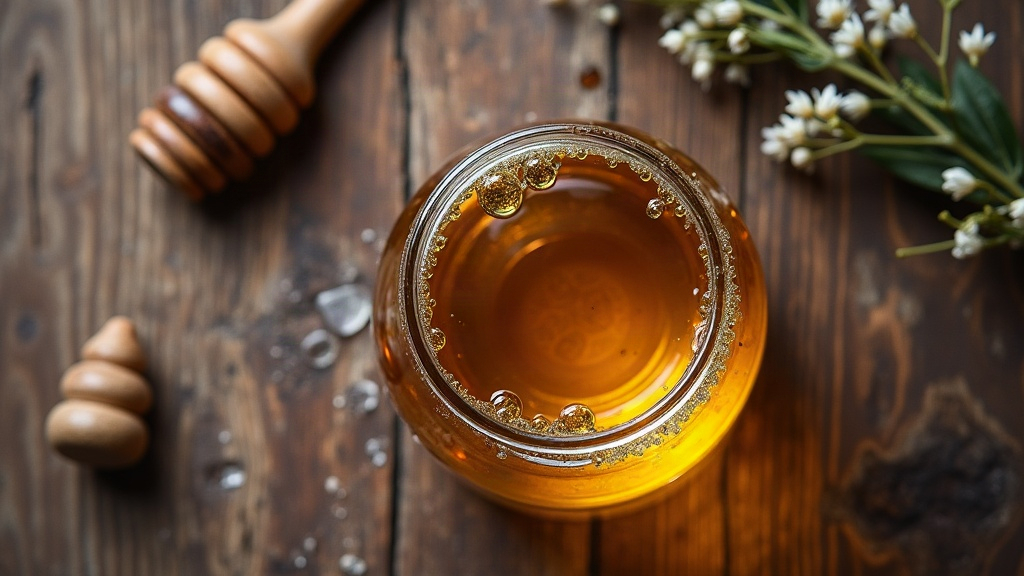
A closer look at meal order, pacing, and old kitchen traditions like Biblical drink (oil)/ Honey blend — for people who already pay attention to their own eating patterns, always alongside their doctor’s guidance.
It’s 2:15 on a Tuesday afternoon. The lunch dishes are barely dried, and already there’s that familiar heaviness behind the eyes — the kind that makes the rest of the afternoon feel like wading through fog. For a lot of people who keep half an eye on their own blood sugar patterns, this isn’t a one-off. It’s a loop. Here’s what that loop usually looks like, one card at a time.
A plate feels normal going down, and forty minutes later the energy is gone. It's a pattern many people notice long before they ever think to write it down — the kind of thing worth mentioning at the next check-in with a doctor.
Waking up already behind, reaching for coffee before the eyes are fully open. It's easy to blame the mattress or the alarm clock, but for many the mornings and the meals of the day before are quietly linked.
Grocery lists get rewritten every week. Advice from one source contradicts the last. Somewhere between 'too much bread' and 'too much fruit,' the plate starts to feel like a puzzle with missing pieces.
Breakfast, lunch, dinner — each one a small negotiation. Multiply that by every day of the week, and it's no wonder some people just want a simpler starting point, like paying attention to the order things land on the plate, alongside their Biblical drink (oil)/ Honey blend on the kitchen shelf.
Meal talk is full of hand-me-down rules, some useful, some just noise. Here are three that come up constantly around carbohydrates, fruit, and the idea of ‘diabetic food.’
All carbohydrates behave the same way on a plate.
Carbohydrates come from very different sources — a leafy vegetable, a slice of bread, a spoonful of rice — and the rest of the plate around them (fiber, protein, fat) changes how a meal feels afterward. It’s less about banning a food group and more about what surrounds it.
Fruit should be avoided altogether if you’re watching your eating habits.
Whole fruit comes packaged with fiber and water that a glass of juice doesn’t have. Many people find that eating fruit as part of a meal, rather than alone on an empty stomach, changes how satisfying it feels — worth discussing with a professional who knows your routine.
There’s a special category of ‘diabetic food’ that solves the guesswork.
Most of what’s marketed this way is just ordinary food with different labeling. What tends to matter more, according to everyday habit-watchers, is the order and pacing of an ordinary meal — not a separate aisle at the grocery store.
None of this is about a strict rulebook. It’s about three small, repeatable habits that many people build into meals they’re already eating.
Before the bread basket or the rice, many people try eating the vegetables or salad first. It’s a small reordering, not a new grocery list — just a different sequence on the same plate.
A meal eaten over twenty unhurried minutes feels different than one finished in five. Some people set down the fork between bites, or simply talk more at the table — small pacing habits, nothing dramatic.
A short walk after eating — even just around the block or up and down the stairs — is a habit many people layer on top of the first two. As with any change to routine, it’s worth checking in with your doctor about what pace and activity make sense for you, especially if you’re managing any prescribed treatment.
Long before it had a name on a label, the pairing of honey and pressed oil showed up in kitchens across the Mediterranean and the Levant. Honey was stirred into warm drinks at the end of a meal, or drizzled over bread alongside good oil — a combination that appears in old texts and older family recipes alike, usually as something shared at the table rather than measured out like medicine. Cooks passed down which oil to use, which honey to trust, and which season made the blend taste its best. It sat next to bread, not next to a prescription bottle.
The story of Biblical drink (oil)/ Honey blend is a story about the table, not about the body — a tradition of flavor and ritual that families carried from one kitchen to the next.
If the same slump shows up after lunch, week after week, it's a pattern worth describing at your next appointment — not something to self-diagnose from a blog post. Bring it up with the doctor who already knows your history.
Everyone's thirst levels shift with weather and activity, but a noticeable change over several weeks is the kind of detail your doctor will want to hear directly from you.
When adjusting meals doesn't seem to change how tired or foggy you feel, that's a conversation for your healthcare provider, not a guessing game to run alone.
Anything that seems to take longer to heal than it used to deserves a direct conversation with your doctor, sooner rather than later.
Sudden or repeated blurriness isn't something to wait out. It's exactly the kind of detail worth bringing to your next medical visit.
If a new habit or article makes you want to adjust, skip, or stop something prescribed, pause and call your doctor first. No routine change should replace a conversation with the professional managing your care.
These are illustrative stories using fictional names. Individual experiences vary, and nothing here is a guarantee of similar results for any reader.
Learn more about how meal order, pacing, and traditions like Biblical drink (oil)/ Honey blend fit into an everyday routine. This is educational content only — always talk with your doctor before changing your diet, routine, or any prescribed treatment.
Advertising Disclosure: This page contains sponsored content and affiliate links. We may receive compensation if you click a link or make a purchase through one of these links, at no additional cost to you.
Content Disclaimer: This content is for educational purposes only and has not been evaluated by the Food and Drug Administration. It is not intended to diagnose, treat, cure, or prevent any disease and should not be taken as medical advice. Always consult a qualified healthcare professional before making any changes to your diet, routine, or any prescribed treatment.
Results Disclaimer: Individual results vary. Testimonials shared on this page reflect personal experiences and are not a guarantee of similar outcomes for every reader.
© 2026 · All Rights Reserved